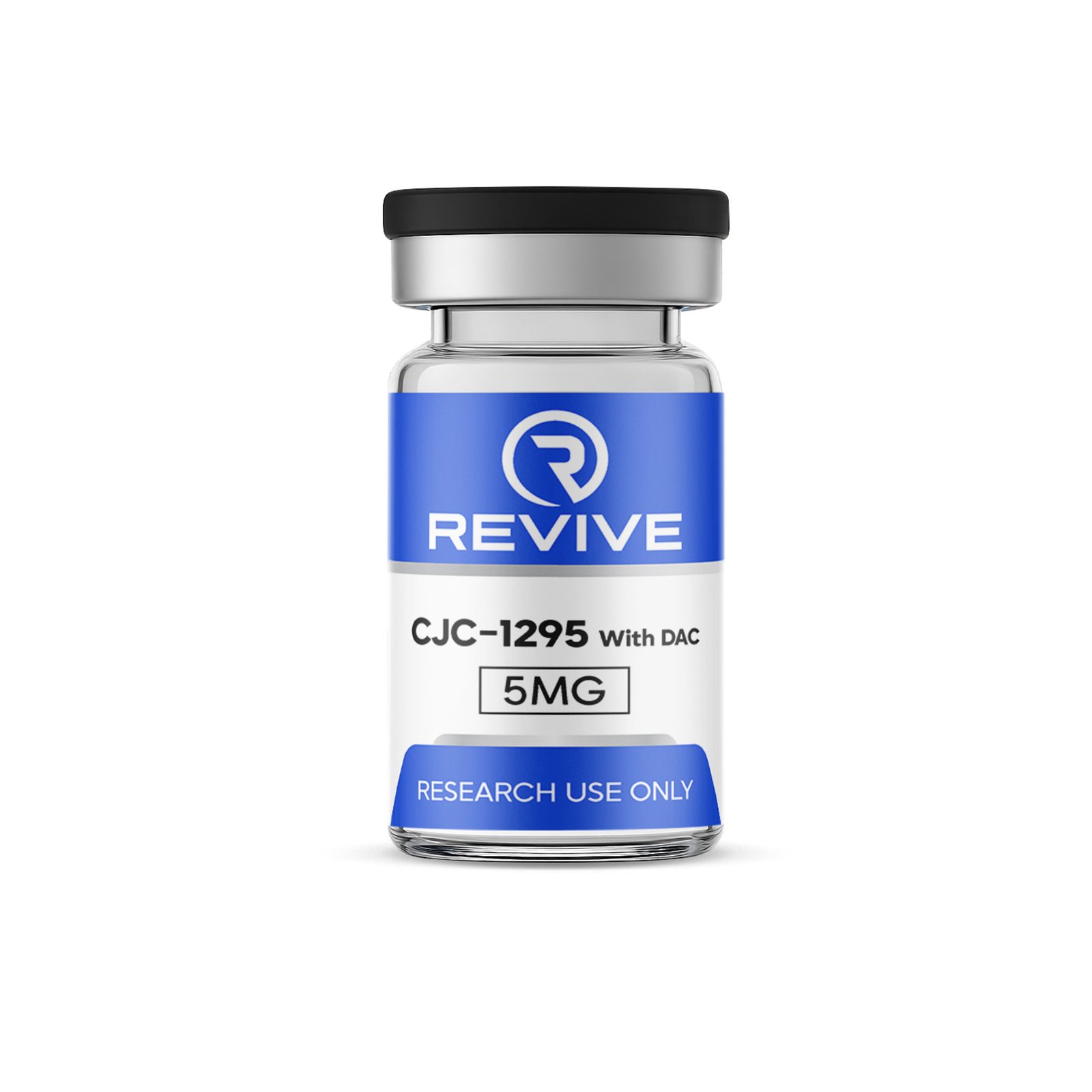
CJC-1295 (With DAC) 5MG

Categories:

CJC-1295 with DAC is a synthetic peptide designed for laboratory research use only. This compound is a modified form of the growth hormone-releasing hormone agonist, intended for in vitro and in vivo experimental studies. For research use only. Always follow proper handling and safety protocols in compliance with regulatory guidelines.

$49.00

⚠️ RESEARCH USE ONLY

This product is for R&D purposes only and is not approved for human or veterinary use.

CJC-1295 (With DAC) 5MG

CJC-1295 (With DAC) is a modified peptide derivative designed for research applications in neuroendocrine studies. This product is a potent analog of the growth hormone-releasing hormone (GHRH) pathway and is widely utilized by academic researchers and pharmaceutical scientists to investigate mechanisms related to growth hormone secretion, neuroendocrine regulation, and potential therapeutic interactions in controlled experimental settings.

Research Context

CJC-1295 is a long-acting synthetic peptide that combines the GHRH analog CJC-1295 with a decapeptide analog (DAC) to extend its biological half-life. Originally developed to study the effects of GHRH analogs on pituitary gland function and growth hormone release, this compound remains a key tool in basic and translational research exploring hormonal regulation, neuroendocrine feedback mechanisms, and potential applications in medical and biological sciences.

Research Overview

The CJC-1295 (With DAC) formulation is particularly relevant in studies focused on:
– The pharmacokinetics and pharmacodynamics of GHRH analogs in animal models.
– The effects of prolonged GHRH stimulation on endocrine function, including growth hormone secretion and IGF-1 levels.
– Investigation of neuroendocrine interactions in hypothalamic-pituitary axes.
– Preclinical studies evaluating the safety and metabolic effects of long-acting peptides in controlled experimental designs.

Due to its specificity in modulating the GHRH axis, CJC-1295 is typically administered in vitro or in vivo to isolated tissue preparations, cell lines, or whole-organism models under strict research conditions.

Key Research Focus Areas

  • Pituitary-Growth Hormone Regulation: Investigation of how CJC-1295 modulates growth hormone (GH) secretion in response to endogenous or exogenous stimuli, particularly in the context of pituitary responsiveness.
  • Neuroendocrine Feedback Mechanisms: Analysis of how the hypothalamic-pituitary axis responds to prolonged GHRH analog exposure, including changes in hypothalamic releasing factors and feedback inhibition.
  • Metabolic and Physiological Effects: Examination of metabolic adaptations, such as changes in insulin sensitivity, glucose metabolism, or muscle protein synthesis, following sustained GHRH analog administration.
  • Preclinical Toxicology and Safety: Assessment of long-term exposure effects in animal models, including potential risks of hypersecretion, organ-specific responses, or unintended endocrine disruptions.
  • In Vitro Studies: Use in cultured pituitary cells, cell lines, or tissue slices to study signal transduction pathways, receptor binding affinities, and peptide degradation kinetics.

Research Use Only

This product is intended solely for use in accredited research institutions, academic laboratories, and approved pharmaceutical development programs. It is not intended for therapeutic, diagnostic, cosmetic, or food supplement applications. Researchers must adhere to all applicable regulatory guidelines, ethical standards, and experimental protocols governing the handling and administration of biologically active substances.

For research use only. Not for human or animal consumption.

Reviews

There are no reviews yet.

Be the first to review “CJC-1295 (With DAC) 5MG”

Your email address will not be published. Required fields are marked *

CJC-1295 (With DAC) 5MG

CJC-1295 (With DAC) is a modified peptide derivative designed for research applications in neuroendocrine studies. This product is a potent analog of the growth hormone-releasing hormone (GHRH) pathway and is widely utilized by academic researchers and pharmaceutical scientists to investigate mechanisms related to growth hormone secretion, neuroendocrine regulation, and potential therapeutic interactions in controlled experimental settings.

Research Context

CJC-1295 is a long-acting synthetic peptide that combines the GHRH analog CJC-1295 with a decapeptide analog (DAC) to extend its biological half-life. Originally developed to study the effects of GHRH analogs on pituitary gland function and growth hormone release, this compound remains a key tool in basic and translational research exploring hormonal regulation, neuroendocrine feedback mechanisms, and potential applications in medical and biological sciences.

Research Overview

The CJC-1295 (With DAC) formulation is particularly relevant in studies focused on:
– The pharmacokinetics and pharmacodynamics of GHRH analogs in animal models.
– The effects of prolonged GHRH stimulation on endocrine function, including growth hormone secretion and IGF-1 levels.
– Investigation of neuroendocrine interactions in hypothalamic-pituitary axes.
– Preclinical studies evaluating the safety and metabolic effects of long-acting peptides in controlled experimental designs.

Due to its specificity in modulating the GHRH axis, CJC-1295 is typically administered in vitro or in vivo to isolated tissue preparations, cell lines, or whole-organism models under strict research conditions.

Key Research Focus Areas

  • Pituitary-Growth Hormone Regulation: Investigation of how CJC-1295 modulates growth hormone (GH) secretion in response to endogenous or exogenous stimuli, particularly in the context of pituitary responsiveness.
  • Neuroendocrine Feedback Mechanisms: Analysis of how the hypothalamic-pituitary axis responds to prolonged GHRH analog exposure, including changes in hypothalamic releasing factors and feedback inhibition.
  • Metabolic and Physiological Effects: Examination of metabolic adaptations, such as changes in insulin sensitivity, glucose metabolism, or muscle protein synthesis, following sustained GHRH analog administration.
  • Preclinical Toxicology and Safety: Assessment of long-term exposure effects in animal models, including potential risks of hypersecretion, organ-specific responses, or unintended endocrine disruptions.
  • In Vitro Studies: Use in cultured pituitary cells, cell lines, or tissue slices to study signal transduction pathways, receptor binding affinities, and peptide degradation kinetics.

Research Use Only

This product is intended solely for use in accredited research institutions, academic laboratories, and approved pharmaceutical development programs. It is not intended for therapeutic, diagnostic, cosmetic, or food supplement applications. Researchers must adhere to all applicable regulatory guidelines, ethical standards, and experimental protocols governing the handling and administration of biologically active substances.

For research use only. Not for human or animal consumption.

Related Products

Age Verification!

*By continuing, you confirm eligibility and legal compliance.